Flow of Nutritional Knowledge
Understanding Body Weight in Scientific Perspective

Overview of Nutritional Flow
Nutrition is fundamentally about understanding how substances flow through the human body. This educational resource examines the mechanisms of nutritional intake, energy transfer, and metabolic processes from a scientific perspective. Our focus is on explaining how the body processes nutrients rather than providing dietary recommendations.
The study of body weight and its relationship to nutrition requires understanding complex biological systems. Body weight is influenced by numerous interconnected factors including metabolic rate, physical activity levels, recovery patterns, emotional states, and genetic predisposition. This resource aims to clarify these mechanisms through scientific explanation.
This website provides information for educational purposes. No medical services are offered. No promises of specific outcomes are made. This content does not replace professional medical or nutritional advice.
Energy Flow Mechanisms
Understanding Energy Transfer
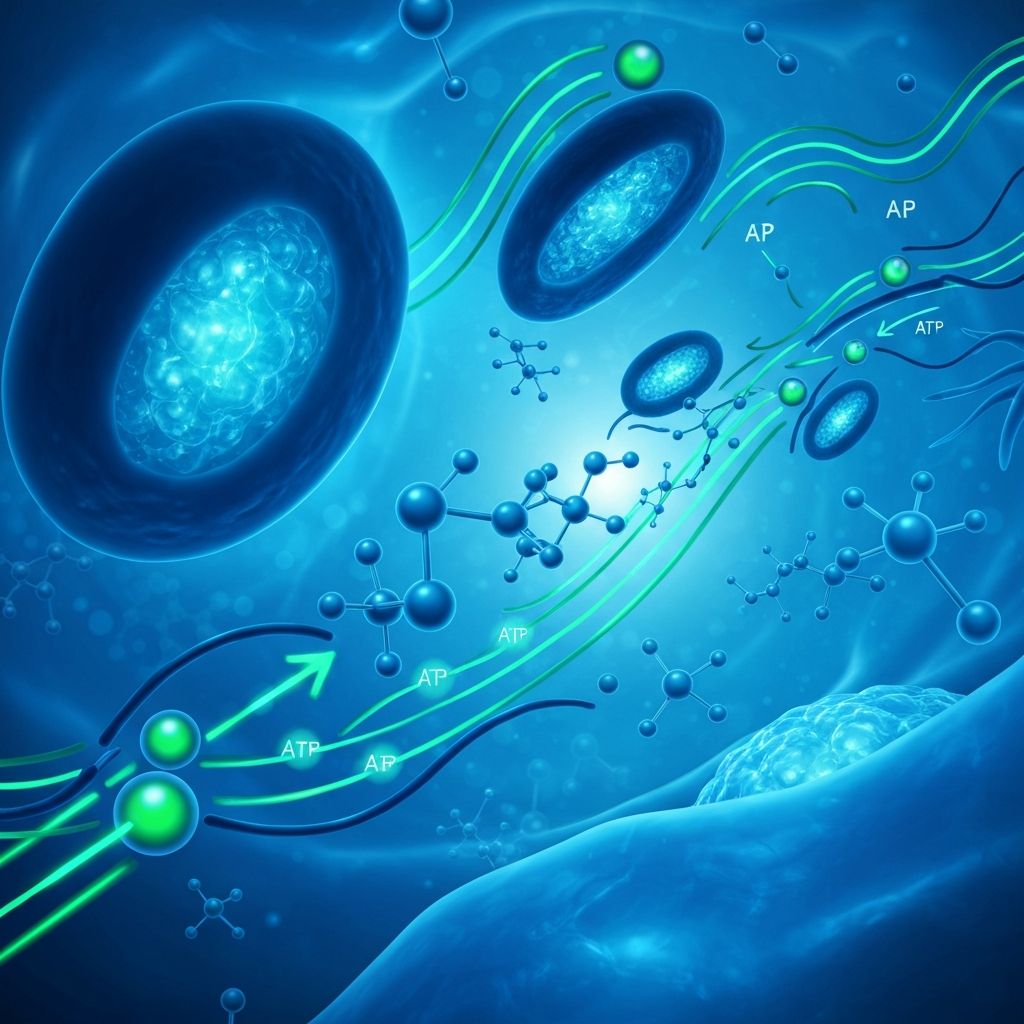
The human body operates through continuous energy exchange. Food contains chemical energy that is converted into usable forms through metabolic pathways. This process, known as energy metabolism, involves complex enzymatic reactions throughout the digestive and cellular systems.
Macronutrients—carbohydrates, proteins, and fats—serve as the primary energy sources. Each macronutrient follows distinct metabolic pathways, contributing differently to the body's energy economy. The brain, muscles, organs, and all biological processes depend on this continuous energy flow.
Basal metabolic rate represents the energy expenditure at rest, influenced by age, muscle mass, hormonal status, and environmental factors. Physical activity increases total energy expenditure beyond baseline requirements. Understanding these mechanisms helps explain variations in individual energy needs.
Nutrient Pathways Explained

How Nutrients Move Through the Body
The digestive system breaks down complex food molecules into absorbable components. Carbohydrates are processed into glucose, proteins into amino acids, and fats into fatty acids and glycerol. These building blocks then enter the bloodstream for distribution to cells throughout the body.
Different tissues have varying nutrient requirements. Muscle tissue requires amino acids for maintenance and adaptation. The nervous system requires glucose and fatty acids for optimal function. Red blood cells, immune cells, and organs all depend on continuous nutrient supply to maintain their specialized functions.
Micronutrients and Their Roles
Beyond macronutrients, vitamins and minerals regulate hundreds of biochemical processes. B vitamins facilitate energy metabolism. Iron supports oxygen transport. Calcium and magnesium enable muscle contraction and nervous system function. Zinc supports immune responses. Diversity in nutritional intake ensures adequate micronutrient availability.
According to British dietary guidelines, consuming a variety of foods from different groups provides the spectrum of micronutrients the body requires. This approach reflects scientific understanding of how diverse nutrition supports diverse bodily functions.

Daily Movement Dynamics

The Role of Natural Movement
Physical activity represents a significant component of total energy expenditure. Movement encompasses structured exercise, occupational activity, and spontaneous physical activity throughout daily life. Each form contributes to overall energy metabolism and physiological function.
Beyond energy expenditure, movement supports skeletal health, cardiovascular function, muscular integrity, and mental wellbeing. Regular physical activity influences how the body processes nutrients, distributes weight, and maintains metabolic efficiency. Natural movement patterns—walking, climbing, lifting—engage multiple bodily systems simultaneously.
The intensity, duration, and type of movement all influence metabolic response. Resistance training preserves and builds muscle tissue. Aerobic activity supports cardiovascular adaptation. Flexibility and balance work maintains functional capacity. A varied movement routine supports comprehensive physiological health.
Recovery and Balance Elements
Sleep, Stress, and Physiological Balance
Recovery processes are fundamental to human physiology. During sleep, the body performs maintenance functions, consolidates memories, regulates hormones, and clears metabolic waste. Sleep deprivation disrupts numerous regulatory systems affecting nutrient metabolism and energy regulation.
Emotional stress triggers physiological responses that influence digestion, metabolism, and nutrient absorption. Chronic stress affects hormone balance, particularly cortisol regulation. Periods of genuine recovery and stress management support optimal physiological function.
Hydration status affects all metabolic processes. Water participates in energy metabolism, nutrient transport, temperature regulation, and waste elimination. Adequate hydration supports the efficient functioning of all body systems.

Article Flow Links
Explore deeper scientific explanations of nutritional knowledge through our educational articles:
The Flow of Energy in the Human Body
A detailed exploration of how energy moves through metabolic pathways, from food intake to cellular utilization.
Read Article →How Nutrients Move Through Daily Intake
Understanding the journey nutrients take from digestion through absorption and distribution to tissues.
Read Article →Lifestyle Flows That Influence Metabolism
Examining how daily patterns of movement, sleep, and stress response affect metabolic function.
Read Article →Common Nutrition Queries
Energy requirements vary based on age, sex, body composition, activity level, metabolic rate, and health status. Basal metabolic rate forms the foundation, with additional energy needed for physical activity and food digestion.
Carbohydrates provide quick energy through glucose. Proteins support tissue maintenance and have higher thermic effect during digestion. Fats provide concentrated energy and support hormone function. Each serves distinct physiological roles beyond energy provision.
Different foods contain different combinations of micronutrients. Dietary diversity ensures comprehensive micronutrient intake, supporting the hundreds of biochemical processes required for health.
Stress hormones alter digestion, nutrient absorption, and metabolic priorities. Chronic stress can impair nutrient utilization and metabolic efficiency. Stress management is therefore integral to nutritional physiology.
Sleep regulates hormones that control hunger signals, energy storage, and metabolic rate. Sleep deprivation impairs these regulatory mechanisms, affecting how the body processes and utilizes nutrients.
Final Knowledge Flow Note
This educational resource presents scientific information about nutritional flow and body weight mechanisms. Understanding these processes requires recognizing the complexity of human physiology—individual variations are significant and meaningful.
Different people respond differently to the same nutritional and lifestyle factors based on genetics, health history, medications, and numerous other individual characteristics. This information aims to enhance understanding rather than prescribe specific actions.